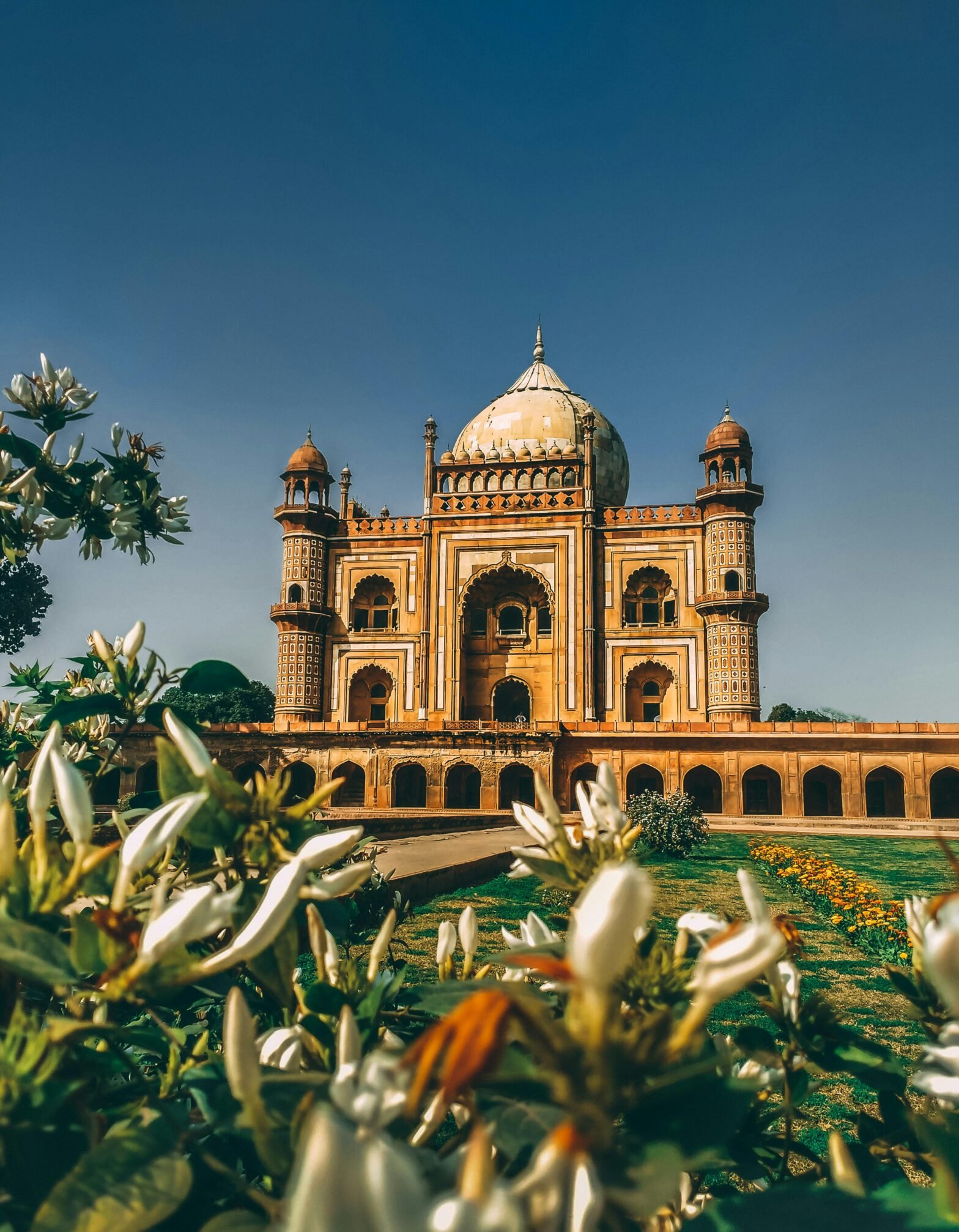
Longevity. In terms of ruling is quite a difficult feat to achieve!
Mughals did it in India, longer than the British.
Ruling for almost 3970 months, a little over three centuries.
How did they achieve this feat? Given that most Indian states are like a country in terms of their area and population, with each having a unique culture, traditions and customs. Despite this the Mughals maintained their reign across India owing to three main factors.
1. Military Masterminds
The introduction of firepower was significant. Emperors were able to have more centralised control as the commanders depended on income and strength. Mughals had a balance of heavy artillery and warfare through forts. Absorption of local warriors such as the Rajputs increased their strength.
The unique Mansabdari system formally introduced by Akbar; all Mansabdars were officers having an official rank which determined their salary and status within society. The system permitted the Mughals to have a clear hierarchal structure and non- hereditary system that they could easily maintain.
2. Administration
The centralised bureaucracy granted Mughal Emperors the ultimate decision making power, whereas the local government had officials who policed, controlled and enforced any laws. This made the process much more efficient while the Emperor remained sovereign.
Fascinated by paper, Mughals rulers documented it all. Records of land, taxes, people and even orders they sent out in the kingdom were maintained. Documentation helped, made it easier to check mistakes, reduce corruption and thus smoothly run India.
Lastly, their religious tolerance brought peace. Akbar had nine ministers from different religions in his court called the Navratana’s or nine gems. To gain the trust and support of Indians, they appointed most ranks locally. This maintained the balance of power, as long as it wasn’t disturbed. Akbar’s grandson Aurangzeb stopped this system and hence marked the rebellion against Mughals.
3. Wealth = Power
Agriculture was one of the largest contributors in India’s wealth. India being an agricultural country the taxes levied on it swelled the treasury. The Mughal tax system was quite remarkable. Taxes were collected based upon the crop production and size of land. The fair system resulted in a content population and prosperous treasury.
This was followed by trade, another large contributor to the Mughal wealth. It was encouraged across the Empire and internationally. The Indian Ocean provided them pathways to the Persian Empire and many other nations.
A well managed economy was crucial to the empire. It resulted in a stronger army as they could recruit more, train more and still afford to pay them. A larger army could effectively stop invasions and protect their Empire.
Building infrastructure brought better control. The forts, palaces and city development were key to their rule. Allowing the Emperors an improved command over their people and armies.
All these above factors contributed to the longevity of the Mughal empire as they ensured that their insignia remained unchallenged for a large part of three centuries.